
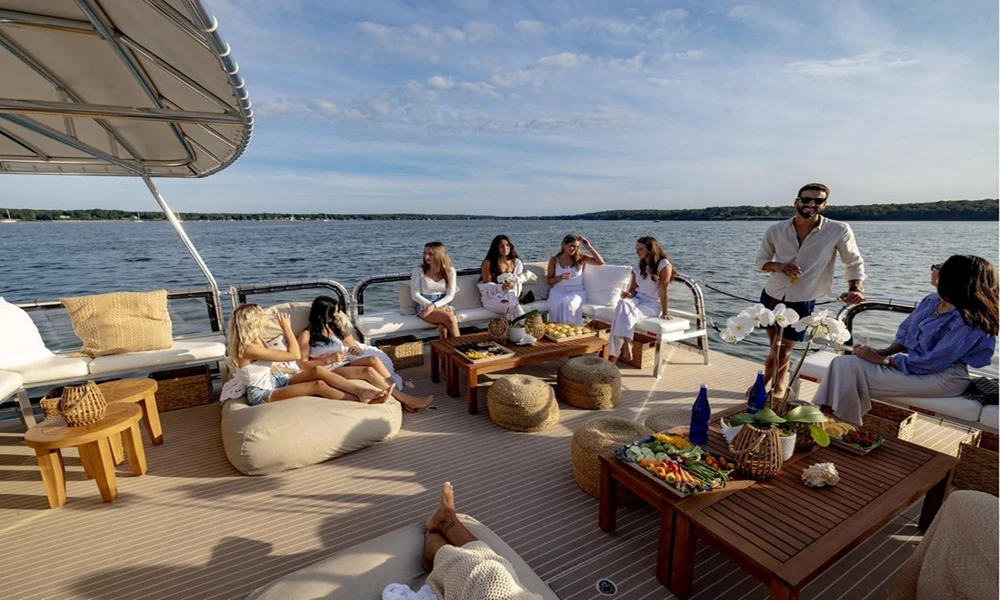
Planning a day on the water can be an exciting way to bring people together, whether you’re organizing a birthday celebration, catching up with friends, or arranging a casual weekend outing. However, choosing the right type of boat experience requires more thought than simply picking an attractive vessel.
One of the most important decisions is whether to book a private cruise or join a shared one. Both offer opportunities to enjoy waterfront scenery and spend time away from everyday routines, but they differ considerably in flexibility, atmosphere, cost, and group coordination.
Understanding these differences can help you choose an experience that matches your expectations and avoids unnecessary planning complications.
Understanding the Difference Between Private and Shared Boat Cruises
A private boat cruise reserves a vessel for a particular group. Depending on the operator and package, guests may have greater flexibility over the event’s atmosphere, music, food arrangements, and schedule.
This arrangement is particularly useful for occasions where everyone knows each other or where the organizers want to create a specific experience.
Birthdays, family gatherings, corporate outings, and milestone celebrations are common reasons to consider private charters. Having a dedicated space can make conversations, group activities, and celebrations easier to coordinate.
Shared cruises work differently. Instead of reserving an entire vessel, individuals or smaller groups purchase places on a scheduled departure alongside other passengers.
These experiences generally follow an established itinerary, with departure times and onboard arrangements determined by the operator.
For couples, solo travelers, and small groups, shared cruises can provide a convenient opportunity to enjoy the water without managing an entire event.
The important distinction is that neither option is automatically better. The ideal choice depends on how much privacy, flexibility, and organization your group actually needs.
Factors to Consider When Comparing Boat Cruise Options
Before committing to a booking, consider the practical details that will shape the experience.
For groups researching boat rental Long Island NY options, an important first step is distinguishing professionally captained cruises from self-operated rentals, since responsibilities, amenities, and booking arrangements can differ significantly.
A clear comparison should begin with the following considerations.
Group size and capacity
Some vessels accommodate intimate gatherings, while others are designed for larger groups. Confirm the permitted passenger capacity and whether professional crew members are included in that figure.
A comfortable event also requires enough room for guests to move, socialize, and sit when needed.
Budget and overall value
Private charters may involve a higher total booking cost, but dividing that amount among several participants can make the individual expense more manageable.
Shared cruises often offer straightforward per-person pricing. However, additional charges for refreshments, food, gratuities, or optional services should be considered.
Departure schedules
Shared cruises typically operate at established times. This can simplify planning but leaves less room for customization.
Private experiences may provide additional scheduling flexibility, although availability, operating conditions, and the operator’s policies still apply.
Onboard amenities
Restrooms, shaded areas, seating, music, and refreshment options can influence comfort, particularly during longer outings.
Rather than assuming these amenities are included, review the operator’s published details before booking.
Comparing these practical factors makes it easier to evaluate the complete experience instead of focusing only on price or appearance.
Matching the Cruise Experience to Your Occasion
Different occasions create different expectations, and the event’s purpose should guide your decision.
For birthday parties and milestone celebrations, private cruises can provide a more personalized setting. Organizers may be able to coordinate music, decorations, or activities around the guest of honor, subject to the operator’s rules.
Shared cruises may suit smaller celebrations where guests prefer a lively atmosphere without taking responsibility for organizing a full event.
Corporate gatherings introduce another set of considerations.
A private vessel can offer a dedicated environment for informal networking, employee recognition, or team interaction. However, planners should confirm seating arrangements, accessibility, and whether the onboard environment suits the intended activity.
For couples or small groups of friends, a shared cruise may be the more practical choice. It allows participants to enjoy waterfront views and a social outing without coordinating a large guest list.
Family groups should consider passenger ages, mobility needs, and comfort expectations. Some cruises have restrictions or onboard environments that may not suit every family.
The goal is to match the format to the people attending, rather than expecting guests to adapt to an unsuitable arrangement.
A smaller, thoughtfully planned outing can be more enjoyable than an elaborate experience that creates unnecessary complications.
Essential Planning Tips for a Comfortable Day on the Water
Once you’ve selected a cruise format, good preparation helps prevent avoidable problems.
Start by confirming the departure location. Waterfront marinas may contain multiple docks and boarding areas, so having the correct meeting point is essential.
Ask when guests should arrive. The advertised departure time may differ from the required check-in or boarding time.
Weather preparation also matters.
Even during warm months, breezy conditions on open water can feel cooler than conditions on land. Bringing an additional layer of clothing can improve comfort.
Sun protection, appropriate footwear, and drinking water are also worth considering, subject to the operator’s rules about outside beverages.
Before the event, review the cancellation and rescheduling policies. Weather-related decisions are generally managed according to operating conditions and the provider’s safety requirements.
Food and beverage arrangements deserve attention as well. Some cruises permit outside food, while others require onboard purchases or advance catering arrangements.
For private groups, clarify whether decorations, music requests, and special activities are permitted.
Accessibility should never be treated as an afterthought. If anyone in the group has mobility limitations or other accommodation needs, discuss them with the operator before purchasing tickets.
Finally, communicate essential details to every participant.
Share the meeting point, arrival time, parking considerations, recommended clothing, and any relevant restrictions. Clear communication reduces last-minute confusion and allows everyone to focus on enjoying the experience.
Conclusion
Choosing between a private and shared boat cruise depends on more than the number of people attending. Privacy, flexibility, budget, onboard amenities, and the purpose of the outing all influence which experience will work best.
Private cruises can suit groups seeking a dedicated setting and more control over their celebration. Shared cruises offer a convenient alternative for individuals and smaller groups who prefer an organized outing.
By comparing the available options carefully, asking practical questions, and preparing guests in advance, you can plan a waterfront experience that feels comfortable, organized, and enjoyable for everyone involved.