
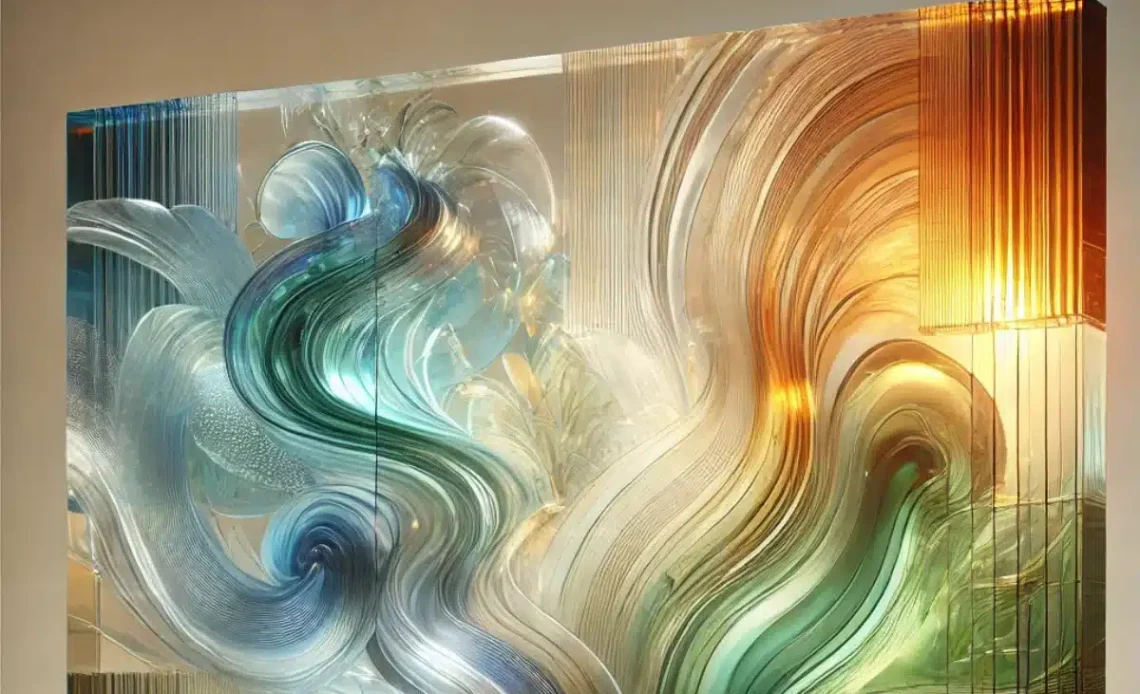
Contemporary art projects often grow from materials that invite exploration and reward careful attention. Fusible glass has gained steady interest because it allows artists to combine structure with experimentation. Through layering and controlled heating, creators can explore color shifts, depth, and surface detail in ways that feel intentional yet open-ended. This approach supports thoughtful pacing rather than rushed output. Artists appreciate how fusible glass reflects both planning and response. Each project becomes a dialogue between idea and material, encouraging growth through observation and adjustment.
As creative practices continue to evolve, artists seek processes that support long-term development. Fusible glass fits this need by offering repeatable methods with room for variation. Trends in contemporary projects now highlight clarity, texture, and subtle movement. Fusible glass responds well to these priorities. Its adaptability allows artists to refine concepts while staying connected to hands-on making. These qualities help fusible glass remain relevant across changing creative directions.
Emerging Styles
Emerging styles in fusible glass focus on a balance between simplicity and depth. Artists explore refined forms that rely on light and layering rather than heavy detail. Many studios now emphasize consistency by choosing dependable art glass supplies that support predictable outcomes. This choice allows artists to experiment within a stable framework. New styles often favor restrained color ranges and clear structure. These approaches align well with contemporary preferences for thoughtful and focused expression. Emerging styles show how fusible glass adapts without losing its core strengths.
Color Direction
Color direction plays a major role in shaping current fusible glass projects. Artists are becoming more intentional with tone and contrast. Rather than using many colors, creators focus on harmony and subtle variation.
This shift supports clarity and mood control. Artists use color to guide attention and emotion. Careful selection improves visual impact.
- Soft color transitions create calm visual flow and support focused viewing
• Limited palettes improve cohesion and reduce unnecessary visual distraction
• Thoughtful contrast highlights form and strengthens overall composition
Texture Focus
Texture focus has become a defining trend in contemporary fusible glass work. Artists use surface variation to add interest without overwhelming the design. Texture introduces depth that responds well to changing light.
Textured elements invite closer viewing and create movement across the surface. Artists experiment with layered textures to suggest rhythm and structure. This focus allows work to feel tactile and engaging even from a distance. Texture trends show how fusible glass can communicate complexity through subtle means rather than bold shapes alone.
Layer Innovation
Layer innovation continues to influence how artists approach fusible glass. New layering methods allow greater depth and clarity. Artists experiment with spacing and overlap to create visual pathways.
Innovative layering supports storytelling through form. Each layer contributes meaning. This approach improves composition control.
- Strategic spacing enhances depth perception and reduces visual crowding
• Overlap planning guides viewer focus across the glass surface
• Layer contrast supports separation while maintaining overall unity
Light Awareness
Light awareness has become central to contemporary fusible glass projects. Artists plan designs based on how light interacts with transparency and opacity. Light reveals detail and creates change.
Designs often shift appearance depending on viewing conditions. Artists consider placement carefully. Light becomes an active element. This awareness encourages thoughtful choices in material selection and layering. Fusible glass responds uniquely to light, making it ideal for projects that value subtle transformation and visual engagement over time.
Process Refinement
Process refinement reflects a trend toward consistency and care. Artists refine routines to improve reliability and reduce waste. Controlled preparation and firing improve outcomes.
Refined processes support confidence and efficiency. Artists document steps to repeat success. This discipline supports creative freedom.
- Careful preparation improves alignment and reduces surface inconsistencies
• Controlled firing schedules support stable fusion and clear results
• Thoughtful cooling stages reduce stress and support durability
Mixed Approaches
Mixed approaches show how fusible glass integrates with other creative methods. Artists combine glass with additional materials to expand expression. This trend supports cross-media exploration.
Glass adds light and transparency to heavier elements. Artists balance contrast and cohesion. Mixed approaches allow broader storytelling. Fusible glass adapts well without overpowering other materials. This flexibility keeps contemporary projects fresh and exploratory while maintaining a clear visual identity.
Skill Expansion
Skill expansion is a natural outcome of current fusible glass trends. Artists build ability through repetition and reflection. Trends favor steady growth over quick results.
As techniques refine, artists gain confidence. Skills transfer across projects and styles. Fusible glass supports learning without pressure. Artists appreciate how progress feels visible and rewarding. This emphasis on skill expansion aligns with contemporary values that prioritize process and craftsmanship alongside concept.
Concept Clarity
Concept clarity has become increasingly important in contemporary art projects. Artists aim to communicate ideas clearly through form and material choice. Fusible glass supports this clarity through structured layering and controlled outcomes.
Artists often simplify designs to strengthen meaning. Each element serves a purpose. Fusible glass helps maintain focus by responding predictably to intention. This clarity improves viewer connection and understanding. Projects feel thoughtful rather than crowded. Concept clarity strengthens the role of fusible glass in contemporary creative work.
Creative Direction
Creative direction evolves as artists respond to trends and personal growth. Fusible glass supports flexible direction without abandoning core techniques. Artists shift focus gradually.
Direction develops through exploration rather than force. Fusible glass adapts to new ideas while maintaining consistency. This adaptability supports long-term engagement. Artists appreciate having a medium that grows with them. Creative direction remains open and responsive.
Lasting Influence
The lasting influence of fusible glass trends lies in their focus on intention and growth. Artists benefit from processes that reward patience and observation. Choosing dependable art glass supplies supports consistency and reduces technical obstacles. This reliability allows creators to focus on ideas rather than limitations. Fusible glass continues to shape contemporary art projects by supporting clarity, adaptability, and sustainable creative development.