
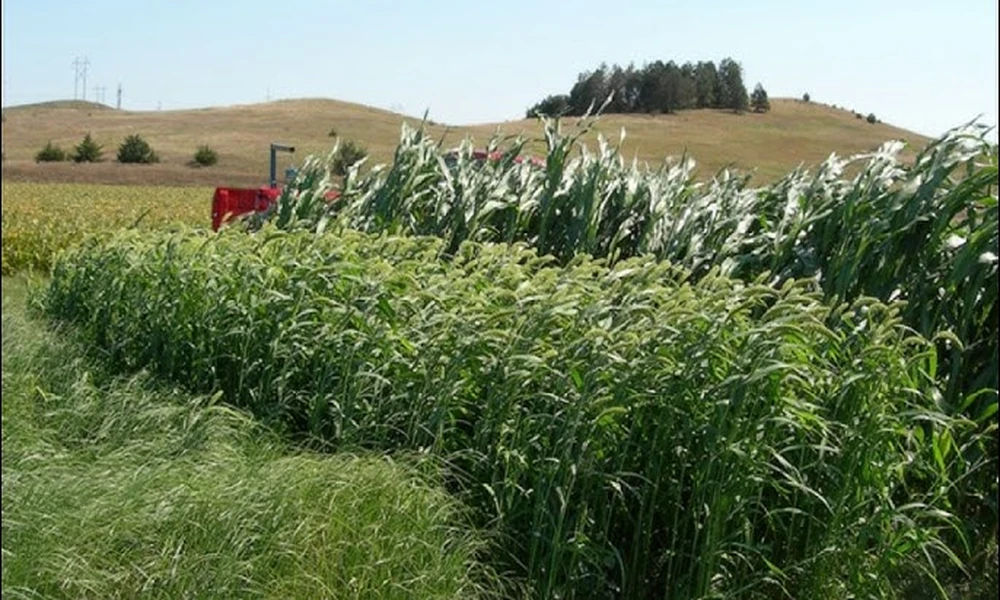
A combination of resilient forage botany and intentional soil management will be necessary in 2026 to ensure that your acreage is fully optimized. It is a huge error for any land manager to depend on basic topsoil health in terms of total production. Natural precipitation covers the hydration and nothing more; therefore, all your livestock requirements, including daily caloric volume, are not sustained at all under this type of minimal oversight.
Smart agricultural planning and changing climatic conditions necessitate an individual to own their acreage strategy by getting acquainted with their biological obligations. Getting the right balance means you need to look at top-performing types of grass and strong plants that are local to the area. That’s why using a premium Texas native grass mix gives you a strong base for land that will stay good for a long time.
.
Key Takeaways
- Unmanaged pasture soils never protect structural root networks against extreme weather events.
- Resilient seed varieties dramatically decrease establishment risks by providing early seasonal germination.
- Comprehensive nutrient planning guards your personal savings against accidental overgrazing impacts.
- Meticulous climate documentation accelerates yield optimization speeds during sudden seasonal shifts.
What Are the Essential Components of Modern Forage Management?
- Clear establishment boundaries: Seeding schedules must explicitly outline specific growth expectations and soil preparation liabilities.
- Digital platforms now track moisture levels to ensure prompt growth updates.
- Understanding local soil updates helps managers maintain their agricultural output rights.
- Specialized seed drill machinery requires clear instructions regarding depth permissions and distribution management.
- Property conditions must be documented digitally before sowing into the space.
- Storage environment terms dictate how seed stocks are managed for viability issues.
Assessing your physical surroundings is another critical aspect of holistic risk management. Assessing your fence lines, drainage channels, and perimeter boundaries improves your immediate physical environment. As you assess the holistic financial security of your acreage, one measure of great importance is securing elite perennial seeds.
This type of investment will be highly instrumental in ensuring the security of your fields and your responsibility in case anything undesirable happens to them. With both the physical and biological measures implemented, there is no need to fear any threats because you have an unbreakable defense line. Managers who ensure all these considerations are met face far less disturbance should such eventualities happen. Recent industry figures show that the average cost of these invaluable shields stands at twenty-three dollars per acre.
How Do Biological Innovations Advance Forage Production?
Advanced seed technology has improved field security by offering real-time growth efficiency, automatic risk reduction, and immediate productivity updates. By changing forage management from being reactive to proactive, these systems give producers the ability to prevent degradation before it occurs.
- Coated seed varieties that will offer real-time germination enhancements directly to your fields.
- Deep root structures detect moisture zones near primary soil levels instantly.
- Drought-tolerant traits send immediate nutrients during early thermal changes.
- Rotational grazing schedules simulate rest periods while livestock are traveling away.
- Smart soil sensors identify minor nutrient leaks before major depletion happens.
- Optimized legume blends manage nitrogen baselines through simple biological commands.
- Endophyte-free genetics record animal health benefits even when seasons alter the field dynamics.
Knowing about high-yield management helps one avoid a lot of anxiety should any mishaps occur in neighboring plots. The cost implications of having an ecosystem collapse due to negligence by an operator cannot be overstated since costs will escalate fast, hence the need for structural replanting. Many individuals mistake generic wild varieties for personal field safety, assuming baseline weeds protect individual acreage inside the property lines. The coverage that the natural seed bank provides does not extend beyond the basic weeds themselves; therefore, the livestock health, daily gains, and visual aesthetics in the fields remain exposed. Knowing about the clear-cut lines will change your perspective on securing your acreage in the future.
Which Specific Strategies Prevent Severe Internal Field Degradation?
- Root systems should be examined regularly under the topsoil for small pests.
- Immediately notify field consultants if you discover bare ground or moisture discoloration.
- The drain in the valley area should remain unobstructed to prevent the pooling of water during rain.
- Seed storage bags should be checked to see whether there is any damage, such as cracks.
- Be familiar with the location of all primary water shutoff valves.
- The temperature inside the storage facility should be kept steady, especially during winter.
How Do Policy Frameworks Limit Producer Forage Risks?
| Protection Type | Primary Coverage Focus | Standard Exclusion Limits | Key Producer Benefit |
|---|---|---|---|
| Perennial Assets | Interior root networks, deep crown tissue, leafy foliage | External weeds, invasive brush encroachment | Full ecosystem replacement value |
| Nutrient Management | Third-party soil amendments, accidental chemical drift | Intentional overgrazing, unapproved tillage exclusions | Legal defense cost management |
| Alternative Forage | Temporary hay procurement, emergency feeding logistics | Standard mechanical repairs, fuel distribution costs | Alternative feed fund support |
A fast track to handling the establishment begins from day one when there is proper documentation and calmness in the process. An inventory of all the seed varieties is essential since it will make the harvesting process easier with the distribution providers, especially in times of emergencies. All the invoices, seed tags, as well as videos of the field layout, should be stored online to avoid any loss in case the resources are destroyed. In case of any environmental incident, reporting to the agricultural agents and authorities will help speed up the recovery process.
How Can Community Initiatives Maximize Everyday Acreage Safety?
- Landowner networks share immediate updates regarding local pest concerns effectively.
- Shared community platforms allow producers to report broken communal infrastructure.
- Regular local meetings foster collective awareness about weed propagation vulnerabilities.
- Group messaging channels help neighbors monitor fence lines during daytime hours.
- Field watch programs reduce local weed migration rates through consistent visibility.
- Sharing emergency contact lists ensures rapid communication during unexpected weather crises.
- Community feedback drives regional boards to upgrade aging canal entry gates.
Establishing precise risk mitigation parameters guarantees long-term land stability and financial predictability. Modern forage safety depends on clear communication channels between producers and regional management networks. Identifying hidden utility shutoff zones protects personal property from catastrophic mechanical failures during sudden weather emergencies.
Modern property management demands active participation in local weed prevention systems and structural maintenance tracking. Annual review of forage changes guarantees that your protective measures meet market replacement cost standards. In the end, preparation makes your vulnerable acreage a strong and secure haven that can withstand surprises.
The process of securing a new agricultural enterprise involves a combination of modern means, awareness, and proper financial policies. People who prepare themselves for any possible environmental hazard are always ready for anything. In most cases, people who depend on natural regeneration for protecting their assets experience harsh financial problems after catastrophes. Incorporating a robust Texas native grass mix alongside comprehensive soil testing delivers absolute peace of mind and complete financial recovery. Embracing these contemporary safety standards empowers individuals to protect their wealth and maintain field stability effortlessly.