
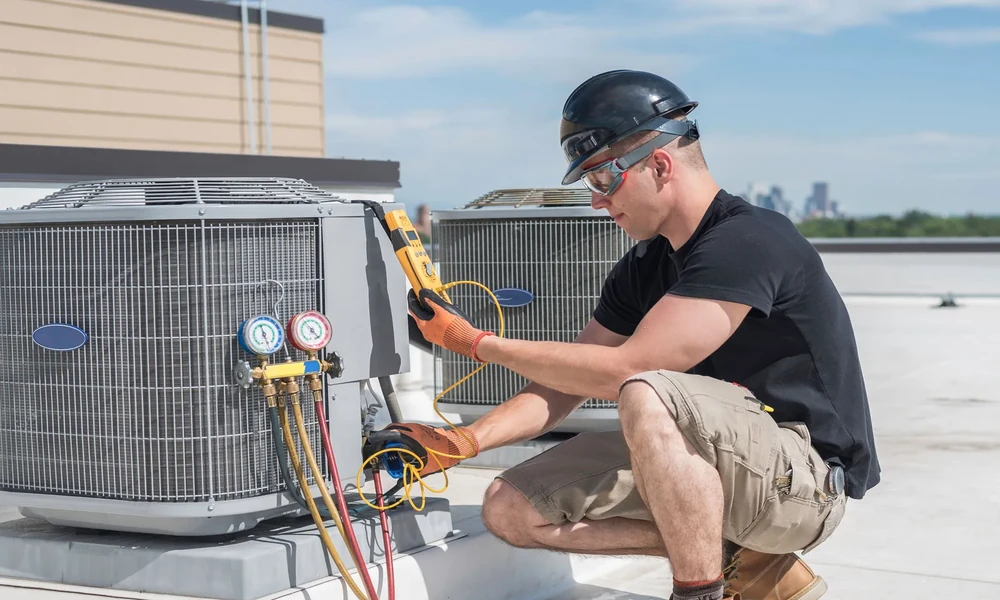
Your HVAC system works throughout the year to keep your home comfortable, but its needs can change as the weather shifts. Taking a little time to prepare your heating and cooling equipment for each season can help maintain reliable performance and reduce the risk of unexpected problems.
A good approach to seasonal HVAC maintenance is to focus on preparation rather than waiting for a system to show signs of trouble. Simple checks, regular cleaning, and professional attention when needed can help your equipment operate more effectively and make it easier to spot small issues before they become larger repairs.
Start With a Seasonal Inspection
Before the heating or cooling season begins, take a few minutes to look over your HVAC system. Check the outdoor unit for leaves, grass, dirt, or other debris that could restrict airflow. Keep the area around the equipment clear so air can move freely.
Inside the home, seasonal HVAC maintenance should include checking accessible vents and registers. Make sure furniture, curtains, rugs, or other household items are not blocking them. Good airflow helps distribute conditioned air more evenly throughout the property. It is also worth checking your thermostat to make sure it responds correctly when you adjust the temperature.
Prepare Your System for Summer
As warmer weather approaches, your air conditioner is likely to become one of the most important appliances in your home. Preparing it before temperatures rise can help reduce unnecessary strain during periods of heavy use. Start by replacing or cleaning the air filter according to the manufacturer’s recommendations.
You should also check the outdoor condenser for visible debris and ensure there is sufficient space around it. Watch for unusual noises, weak airflow, unpleasant odours, or rooms that remain noticeably warmer than others. These signs may indicate an issue that deserves attention before you rely heavily on the system.
Get Ready for the Colder Months
When temperatures begin to fall, shift your attention to the heating side of the HVAC system. Turn the system on before the first particularly cold day rather than waiting until you need it urgently. Replace the filter if necessary and check that warm air is reaching the main living areas.
Pay attention to unusual sounds, frequent cycling, or a thermostat that struggles to maintain the selected temperature. For homes with furnaces or other fuel-burning heating equipment, professional inspections can be especially important. A qualified technician can check components that homeowners should not attempt to service themselves.
Keep Airflow and Filters in Check
Airflow is an important part of HVAC performance in every season. One of the simplest maintenance tasks homeowners can manage is keeping the system’s air filter clean and replacing it when required. A clean filter supports proper airflow and can help the system operate without unnecessary strain.
The correct replacement schedule depends on the equipment, filter type, household conditions, and manufacturer’s guidance. Instead of following a universal timetable, check the filter regularly and follow the instructions provided for your specific system. Also keep supply and return vents unobstructed throughout the year.
Know When Professional Help Is Needed
Homeowners can handle some basic maintenance, but not every HVAC task should be a DIY project. Electrical components, refrigerant systems, gas connections, and internal mechanical parts require appropriate knowledge and equipment. Attempting complex repairs without the right skills can create safety risks or cause further damage.
Arrange professional service if you notice persistent unusual noises or odours, frequent system cycling, sudden changes in heating or cooling performance, water around indoor equipment, poor airflow, or a system that repeatedly stops working. Professional servicing can provide a more thorough assessment and help identify worn or poorly performing components.
Make HVAC Care Part of Your Routine
Seasonal preparation does not have to be complicated. The key is consistency. Check your system as the weather changes, keep filters and vents in good condition, clear debris from outdoor equipment, and arrange professional service when something appears unusual.
Taking these steps throughout the year can make it easier to notice changes in performance. It can also help you deal with smaller concerns before they develop into more disruptive problems, while keeping your home comfortable across changing weather conditions.
Conclusion
Keeping your HVAC system in good condition is easier when maintenance becomes a regular part of home care. Preparing equipment before periods of heavy use, maintaining clear airflow, and responding to warning signs early can support dependable comfort throughout the year.
A simple seasonal routine can also help you understand your system better and address potential problems before they disrupt your home. With consistent attention and professional support when required, your heating and cooling equipment can remain ready for changing conditions.