
Temperature changes can affect the strength of metals during regular operations. At lower temperatures, certain materials may lose their ability to absorb sudden force before breaking. Understanding this change helps engineers select suitable grades for demanding working conditions.
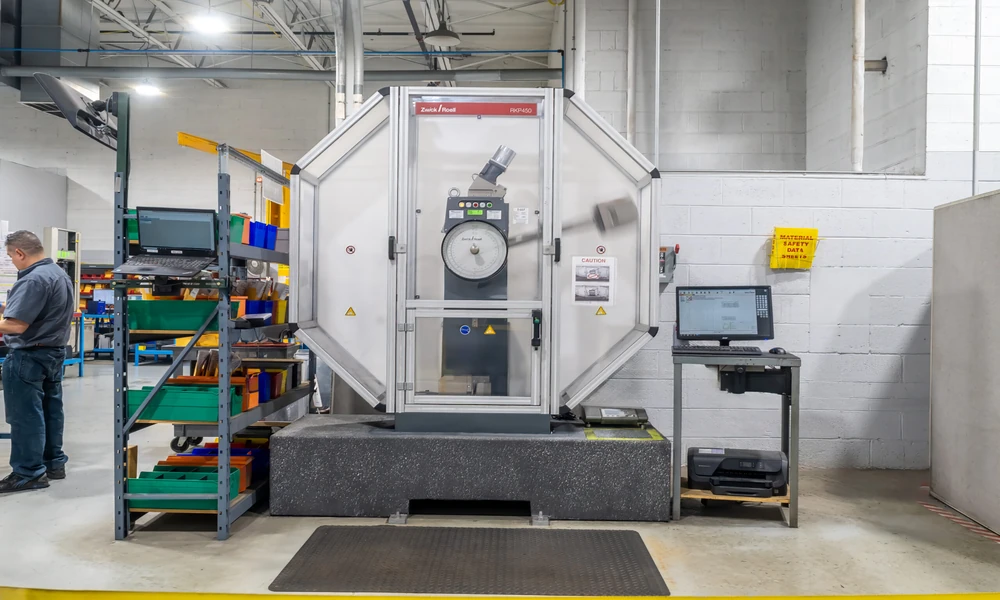
Charpy impact testing measures energy absorption during a controlled strike. These results help determine material toughness, with the charpy impact test on mild steel providing valuable insight into how the sample responds to sudden loading under specified test conditions.
Understanding Impact Test Basics
Impact testing measures how much energy a sample absorbs before breaking under a sudden blow. A prepared specimen rests on supports while a swinging pendulum strikes its centre. The machine records the energy used during fracture. This reading helps engineers compare material behaviour under different temperatures. Correct specimen dimensions and consistent test procedures support reliable results during quality checks.
Temperature Effects On Toughness
Low temperatures can change the way metals respond to sudden force. Some grades become less able to deform before fracture. This behaviour is important when components operate in cold surroundings or face rapid loading. Testing samples at selected temperatures helps identify changes in toughness. Engineers can then compare results with project requirements before approving a material for its intended use.
Specimen Preparation And Testing
Accurate results depend on preparing each sample according to the relevant testing standard. The notch must have the specified shape and dimensions because it guides fracture through a defined point. Proper alignment also helps the pendulum strike the correct position. Before testing, technicians check the machine condition and temperature settings. These steps support consistent readings across samples prepared for comparison.
Reading Impact Test Results
Recorded energy values help explain how a sample responds to impact loading. Higher absorbed energy generally indicates greater resistance to fracture under the tested conditions. Lower readings may suggest reduced toughness at a specific temperature. Engineers interpret these figures alongside the material grade and applicable acceptance limits. A charpy impact test on mild steel can help compare sample performance across selected temperature ranges.
| Test factor | What it indicates |
| Absorbed energy | Energy taken in during fracture |
| Test temperature | Conditions affecting impact response |
| Notch dimensions | Consistency of the prepared specimen |
| Fracture appearance | Clues about the breaking behaviour |
| Repeat readings | Consistency between tested samples |
Main Factors Affecting Accuracy
Reliable testing depends on controlling preparation methods and operating conditions. Differences in specimen size or notch depth can affect recorded energy. Temperature control matters because samples must reach the specified condition before impact. Equipment calibration also supports dependable measurements. Technicians should follow the chosen standard and document each test condition carefully. This creates useful records for quality reviews and material selection.
Applying Results To Projects
Impact test findings help engineers select suitable grades for structures exposed to low temperatures. Results should be compared with the required acceptance values rather than judged in isolation. Five useful checks support informed decisions:
- Confirm the specified test temperature before preparing specimens.
- Check notch dimensions against the applicable testing standard.
- Review absorbed energy readings from each tested sample.
- Compare recorded values with project acceptance requirements.
- Keep test reports for traceability during future quality reviews.
Sound material selection begins with matching test results to actual operating demands. Engineers should review temperature limits alongside expected loads before approving components. Consistent specimen preparation and accurate records make comparisons more useful. Applying these checks helps teams choose suitable grades, maintain quality standards, and support dependable performance when low temperatures influence structural demands.