
When your garage door opens before sunrise or closes late at night, you want it to work smoothly and silently. Yet, not all garage door openers are created equal when it comes to long-term reliability and neighborhood-friendly quietness. Belt drive mechanisms have quietly revolutionized garage door technology for homeowners who value both performance and peace.
Why Garage Door Reliability and Quietness Matter
A garage door is one of the hardest-working components in many homes, often cycling up and down multiple times per day. If the opener grinds, jerks, or grates on your nerves during operation, it’s more than an annoyance. Persistent noise can disrupt sleeping children, strain neighborly goodwill, and mask early warning signs of mechanical trouble.
Traditional garage door openers, especially chain-drive models, tend to rattle and clang with age. Sudden malfunctions can trap your car inside or leave your home vulnerable. Reliability isn’t just about convenience, but also about personal safety and household security. When a single point of failure controls access to your garage, trust in that system is paramount.
Understanding Belt Drive Mechanisms
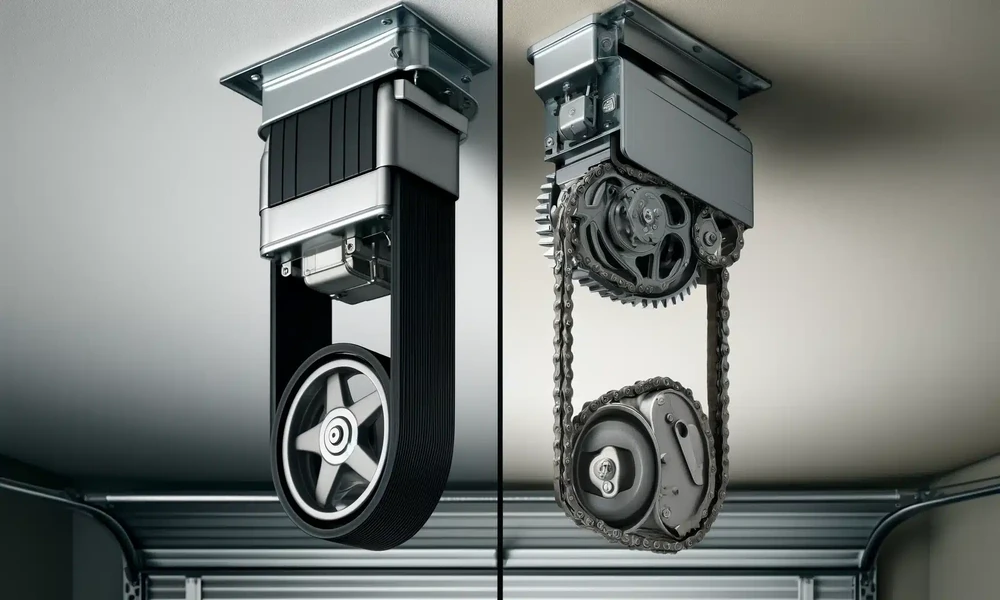
Belt drive systems use a reinforced rubber or polyurethane belt, rather than a metal chain or threaded rod, to transfer motion from the opener’s motor to the garage door. The result is a smooth, frictionless movement that drastically reduces metal-on-metal contact.
A belt’s flexibility and tensile strength make for efficient, consistent lifting power. Compared to chain drives, belt drives eliminate the vibrations and rattling noises that can echo through walls and ceilings. Screw drive openers, which rely on a threaded rod, also fall short on noise reduction and can struggle in extreme temperatures.
Innovation in materials, such as steel-reinforced rubber belts and advanced tensioning systems, have made modern belt drives not only quiet but robust enough for heavy garage doors. Manufacturers continue to refine belt durability to outlast even demanding daily use.
The Reliability Advantage of Belt Drive Mechanisms
One key reason belt drive openers stand out is the decrease in wear and tear over time. With fewer moving metal parts, the risk of stretching, rusting, or snapping is minimized. The belt’s smooth engagement ensures less friction, which translates to fewer breakdowns and less frequent need for repairs.
Belt-driven systems are also designed for longevity. Many come with lifetime warranties on the belt itself, a testament to their confidence in the mechanism’s resilience. Environmental factors like humidity and temperature swings, which can corrode metal chains, have a much smaller impact on reinforced belts.
Why Belt Drives Are Quieter
Every garage door opener creates some noise, but the source varies widely by technology. Chain drives are notorious for their metallic clatter. Screw drive openers transmit motor vibrations directly into the door and ceiling. Belt drive openers, in contrast, use flexible belts that absorb and dampen much of the sound.
In comparative tests, belt drive openers routinely operate at noise levels as low as 55 to 60 decibels, a dramatic improvement over chain drives, which often exceed 70 decibels. For families with bedrooms adjacent to or above the garage, or for anyone seeking a peaceful home environment, this reduction is more than a luxury. It can be a necessity.
Additional Benefits of Belt Drive Garage Door Openers
The latest belt drive models, including space-saving wall mount openers, further enhance convenience by freeing up overhead storage space. Some units mount directly next to the door, making them ideal for garages with low ceilings or unique layouts.
Compatibility with smart home features is another advantage. Many belt drive systems are equipped with Wi-Fi connectivity, allowing you to monitor or operate your garage door from a smartphone, integrate with security cameras, or receive maintenance alerts.
Energy efficiency is also a consideration. Belt drive openers often use efficient motors and low-power standby modes, reducing overall electricity consumption without sacrificing performance.
Choosing the Right Belt Drive Garage Door Opener
Selecting the best fit means looking beyond the belt itself. Consider opener strength relative to your door’s size and weight: standard units suffice for single-car doors, but double or insulated doors may require greater horsepower.
Reputable manufacturers offer a range of models with advanced features. For those seeking expert-backed options, resources like Door Doctor electric garage door openers can help you explore models known for their reliability, smart integrations, and after-sale support.
Installation and Maintenance Tips
While some experienced DIYers tackle opener installation, most homeowners benefit from professional service. A certified technician ensures optimal setup, balances the door, tests safety sensors, and provides warranty coverage.
Routine maintenance keeps a belt drive system in peak condition. Annual checks for belt tension, lubrication (if required), and sensor alignment are typically sufficient. Unusual noises or inconsistent movement may signal a need for adjustment or replacement.
Taking Action: Upgrading to a Belt Drive Garage Door Opener
Assess your current setup for signs of age, excessive noise, or unreliable operation. When budgeting for an upgrade, factor in both equipment cost and installation, as well as potential savings on repair calls over time.
Finding a trustworthy provider is key, look for companies with strong customer reviews and transparent service offerings. Scheduling a professional installation ensures your new belt drive opener delivers the quiet, reliable performance you expect year after year.
A belt drive mechanism isn’t just a technical upgrade. It’s a lifestyle improvement that transforms the way your home sounds, feels, and functions, every single day.