
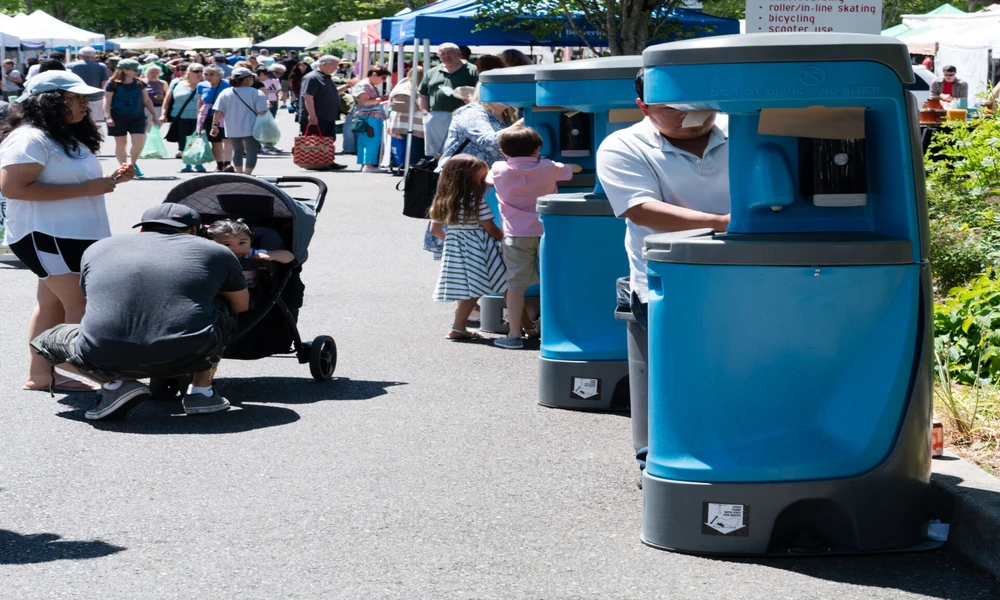
Clean hands protect people before problems ever appear. Every temporary location needs practical washing facilities matching daily activity, available space, and expected visitor numbers. Smart planning prevents avoidable interruptions while creating healthier surroundings for everyone present. Choosing Supreme Site Services becomes easier after understanding capacity, placement, servicing expectations, and site conditions before arranging any rental agreement.
Why Should Project Conditions Shape Handwashing Station Selection?
Every location creates different sanitation demands. A residential renovation requires fewer facilities than a stadium event. Foot traffic changes throughout each working day. Weather affects placement decisions as well. Soil conditions influence stability across outdoor locations. Rental choices should reflect practical conditions instead of simple availability because equipment performs best when matched with genuine operational requirements.
Capacity Matters More Than Initial Rental Cost
Lower pricing attracts attention. Smaller tanks, however, require frequent servicing during heavier usage periods.
Consider these practical factors before confirming equipment:
- Daily visitor estimates.
- Freshwater storage capacity.
- Waste tank volume.
- Accessible refill locations.
- Expected rental duration.
Each point influences operating efficiency beyond the quoted rental price. Selecting Supreme Site Services for appropriate equipment helps reduce avoidable servicing interruptions while maintaining dependable sanitation across active locations.
Which Features Deliver Better Everyday Performance?
Convenience encourages regular use. Workers rarely choose distant facilities during busy schedules. Placement deserves equal attention because accessible stations receive greater usage.
Helpful features include:
- Foot-operated controls reduce direct contact.
- Built-in dispensers simplify hygiene.
- Spacious basins improve washing comfort.
- Secure bases resist uneven ground conditions.
For example, food preparation areas benefit from touch-free operation. Construction entrances often require durable stations handling repeated daily use without unnecessary maintenance concerns.
Placement Decisions Influence Everyday Hygiene Habits
Location affects behavior more than equipment appearance. Stations hidden behind storage areas receive little attention. Entrance points create stronger visibility. Break zones encourage regular washing before meals. Exit paths remind crews before leaving work. Clear access routes matter because blocked equipment quickly becomes ignored despite excellent mechanical condition.
Keep Servicing Schedules Aligned With Daily Site Activity
Successful rentals begin before delivery arrives. Water replenishment schedules deserve careful attention throughout longer projects. Paper towel supplies require monitoring during busy periods. Service visits should reflect expected demand instead of fixed calendar dates. Small planning adjustments prevent unnecessary disruption while preserving cleaner surroundings across every working location.
FAQs
How many handwashing stations should one project include?
Estimate daily attendance first. Larger sites benefit from multiple stations positioned near entrances, work zones, and shared gathering areas instead of relying upon one central unit.
Which placement mistakes reduce station usage?
Hidden locations discourage regular washing. Visible positions near natural walking routes encourage consistent use without disrupting normal movement across the site.
Are larger tanks worth choosing?
Higher-capacity tanks reduce servicing frequency. Extended projects often gain greater value through fewer maintenance visits and improved operational continuity.
Efficient Projects Depend on Thoughtful Hygiene Planning
Thoughtful placement, realistic capacity estimates, and dependable servicing shape everyday hygiene more than rental price alone. A visible station near break areas often delivers stronger health outcomes than expensive equipment placed poorly. Those details influence worker habits, visitor confidence, and overall site management long after installation decisions have been made.