
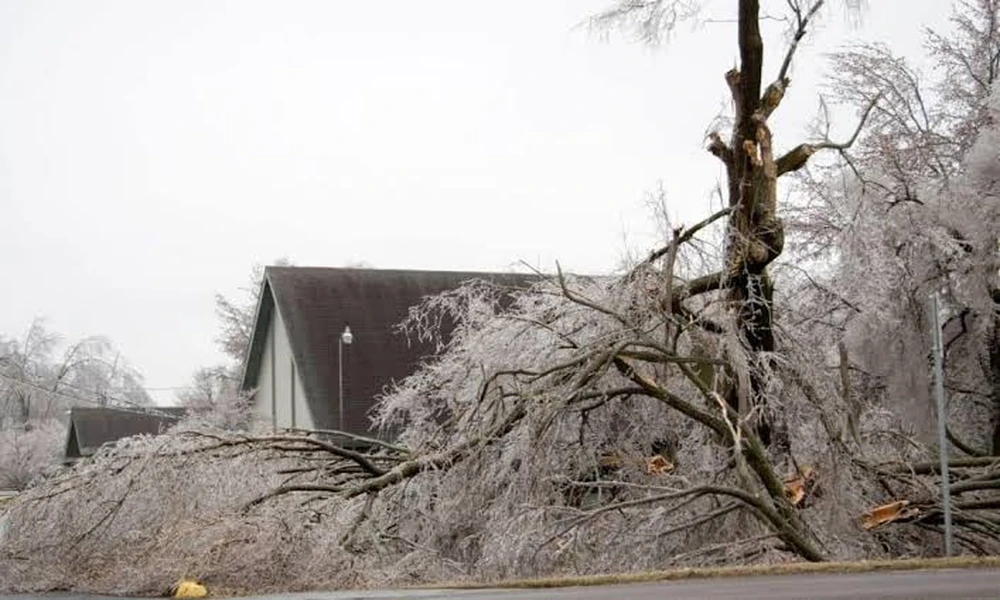
Trees can add beauty and shade to residential neighborhoods, parks, commercial properties, and public spaces. However, damaged, unstable, or improperly maintained trees can also create serious safety risks. When a tree or large branch falls and injures someone, determining who may be legally responsible can be more complicated than it initially appears. Property ownership, maintenance responsibilities, weather conditions, and the circumstances surrounding the accident may all matter. For people trying to understand their legal options after an incident, speaking with an experienced tree injury accident lawyer in Kansas City or in Kansas City with Mohlman Injury Law can help clarify the issues involved. Mohlman Injury Law is located at 701 E 63rd St Ste 300, Kansas City, Missouri. The firm’s contact number is +1 816-427-6559.
Common Causes of Tree Injury Accidents
Tree-related accidents can happen in several ways. Some occur because a property owner fails to address an obvious hazard, while others result from natural events that may be difficult to predict.
Common causes include:
- Dead or diseased trees that have not been removed
- Large branches weakened by decay or structural damage
- Trees damaged by storms or high winds
- Improper tree trimming or maintenance
- Construction activity that weakens a tree’s root system
- Trees located near roads, sidewalks, parking areas, or buildings
- Failure to respond to warnings about an unstable tree
Not every falling-tree accident automatically creates legal responsibility. The circumstances must generally be examined to determine whether someone had a responsibility to maintain the property or address a known danger.
Who May Be Responsible for a Tree Injury?
One of the most important questions after a tree injury is identifying the potentially responsible party. The answer can depend on where the tree was located and who controlled the property.
Residential Property Owners
A homeowner may have responsibilities concerning dangerous conditions on their property. If a tree was visibly dead, severely damaged, or otherwise presented an apparent risk, evidence showing that the owner knew or should reasonably have known about the danger may become important.
Commercial Property Owners and Businesses
Businesses and commercial property owners may have responsibilities to maintain reasonably safe premises for customers, employees, and other permitted visitors. If inadequate property maintenance contributes to a tree or branch falling onto someone, the circumstances may warrant further investigation.
Government or Public Property
Accidents involving trees on public property can involve different procedures and legal requirements. Claims against government entities may be subject to special rules, notice requirements, or deadlines. Because these cases can differ significantly from ordinary premises liability claims, it is important to identify the property owner as soon as possible.
What Evidence Can Help Establish What Happened?
Evidence can be particularly important in tree injury cases because the condition of a tree can change quickly after an accident. Photographs taken shortly after the incident may document the tree’s condition, the location of the fallen branch or trunk, and any visible signs of decay or damage.
Other potentially useful evidence may include:
- Photographs and videos of the accident scene
- Medical records and treatment documentation
- Statements from witnesses
- Property maintenance records
- Prior complaints or warnings about the tree
- Weather reports
- Inspection or arborist records
- Repair or removal records
- Documentation showing who owned or controlled the property
Preserving this information can help establish what occurred and whether the dangerous condition existed before the accident.
Injuries That May Result From Falling Trees
A falling tree or heavy branch can cause significant injuries because of the weight and force involved. Depending on the circumstances, a person may suffer broken bones, head injuries, spinal injuries, internal injuries, or other forms of trauma.
The financial effects can extend beyond the initial medical treatment. Someone who cannot work because of an injury may also experience lost income. In more serious cases, continuing medical care, rehabilitation, or changes to a person’s ability to perform everyday activities may become part of the overall impact.
Understanding the full extent of an injury is therefore important before assessing the consequences of an accident.
How Negligence May Apply to Tree Accidents
In some injury claims, negligence is an important legal concept. In simple terms, negligence generally involves failing to use reasonable care when a person or organization had a responsibility to do so.
For a tree-related accident, questions might include whether the property owner knew about a dangerous tree, whether warning signs were apparent, and whether reasonable steps could have been taken to reduce the risk. However, the existence of an accident alone does not necessarily prove negligence.
Weather conditions can also complicate these cases. A sudden and unusually severe storm may create circumstances that a property owner could not reasonably anticipate. Conversely, a storm may expose an existing problem that had been present before the weather event.
What Should Someone Do After a Tree Injury Accident?
After receiving necessary medical attention, documenting the circumstances can be useful. Photographs of the accident location should be taken when it is safe to do so. Witness contact information should also be preserved, and relevant medical documentation should be maintained.
It may also be important to identify the property owner and determine whether the tree was privately owned, commercially maintained, or located on public property. Avoiding assumptions about responsibility is important because the legal issues can depend heavily on the specific facts.
Understanding Tree Injury Claims in Kansas City
Tree injury accidents can involve more than the simple question of why a tree fell. Determining responsibility may require examining property ownership, tree condition, maintenance history, weather, warnings, and the resulting injuries. Evidence from the accident scene and medical records can also play an important role in understanding what happened.